
The Card

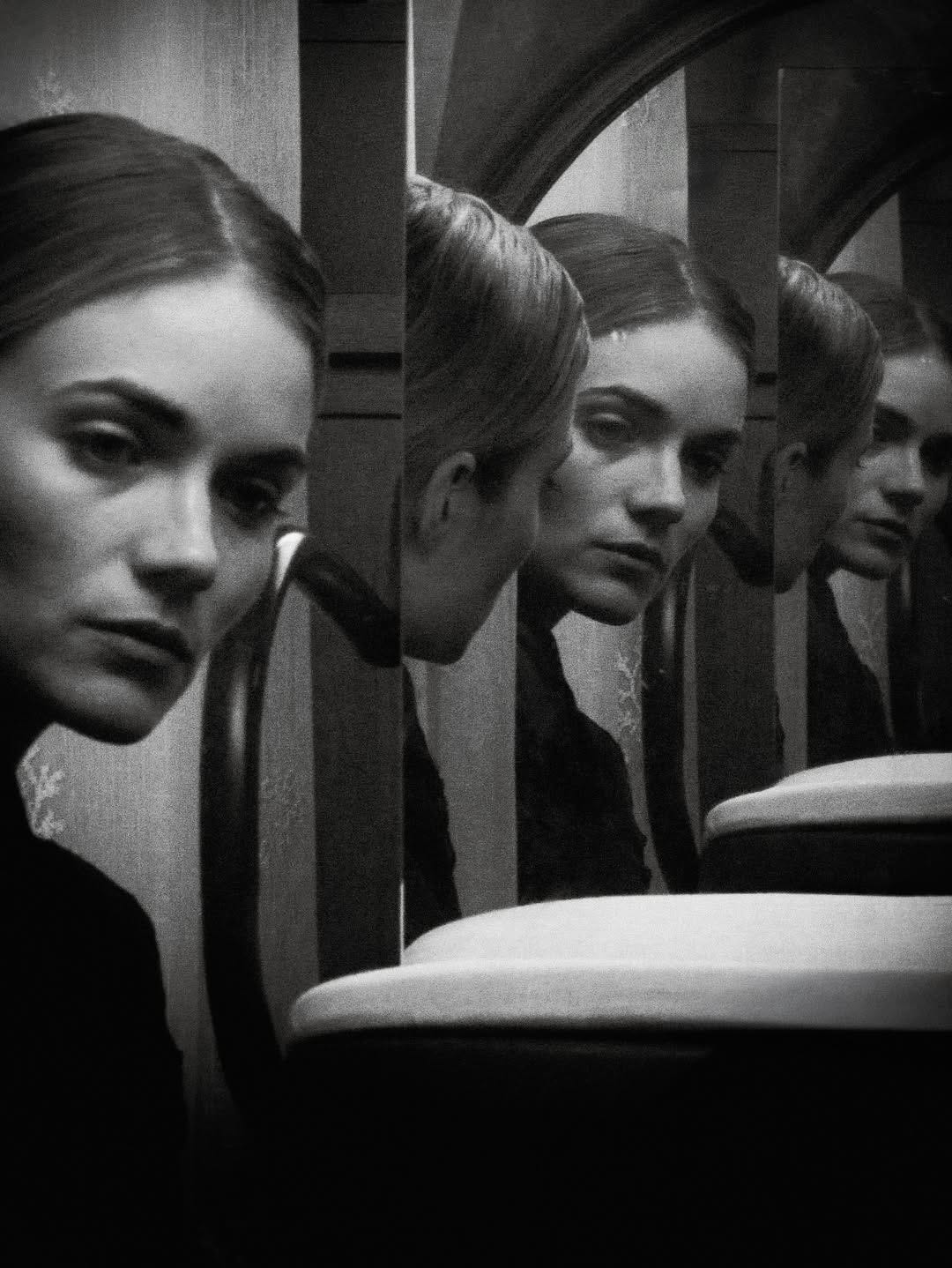
Krista found the card propped against her front door. It had her name on it. She sat in her favorite chair and opened it. There was no signature or note, no sign of who it was from. On the front of the card was a small mirror framed as a portrait. When she opened the card, the inside was entirely filled with a painting of a woman sitting in her favorite chair holding the same card. As far as she could see or imagine, each mirror opened to a woman sitting in her favorite chair opening a mirror only to find another woman doing the same.
At first, she chuckled, but it quickly became somewhat unnerving. What could this mean? She stared into the lineage of women looking beyond themselves in order to see others doing the same.
Krista placed the card next to her alarm and during the night, she dreamt of the endless path of women looking beyond themselves. She tried to talk to the woman just ahead of her, who finally turned her head and said, “I am you and you are me. It’s that simple.”
The next day, Krista had coffee with her former husband Ben. She felt funny talking about the card directly and so, started their conversation by asking, “Do you think we are all at heart the same?” Ben didn’t easily dive into these waters, which is one of the reasons they eventually went their separate ways. It was clear to Krista that Ben hadn’t opened his mirror yet.
From that day on, Krista looked for companions who had opened their mirrors. She yearned for conversation with those who had discovered the lineage in which I am you and you are me.
Isn’t this the journey we all face, if we keep growing? Isn’t our endless challenge to stay committed beyond all that is necessary to see ourselves, so we can find the common heart we share with others? I think much of our struggle with despair comes from getting stuck in the mirror. I think social media is one huge mirror that much of our society is stuck in. Often, we seek out partners and friends with an urgency because we deeply ache to be mirrored. But, in time, if blessed, the hard climb of living causes us to truly know ourselves and we can put down all mirrors, as we begin to feel the tug of true kinship.
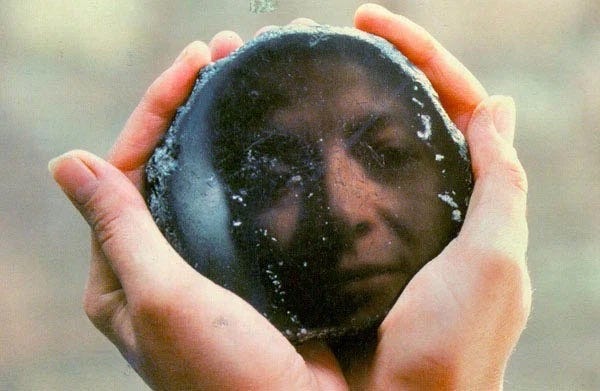
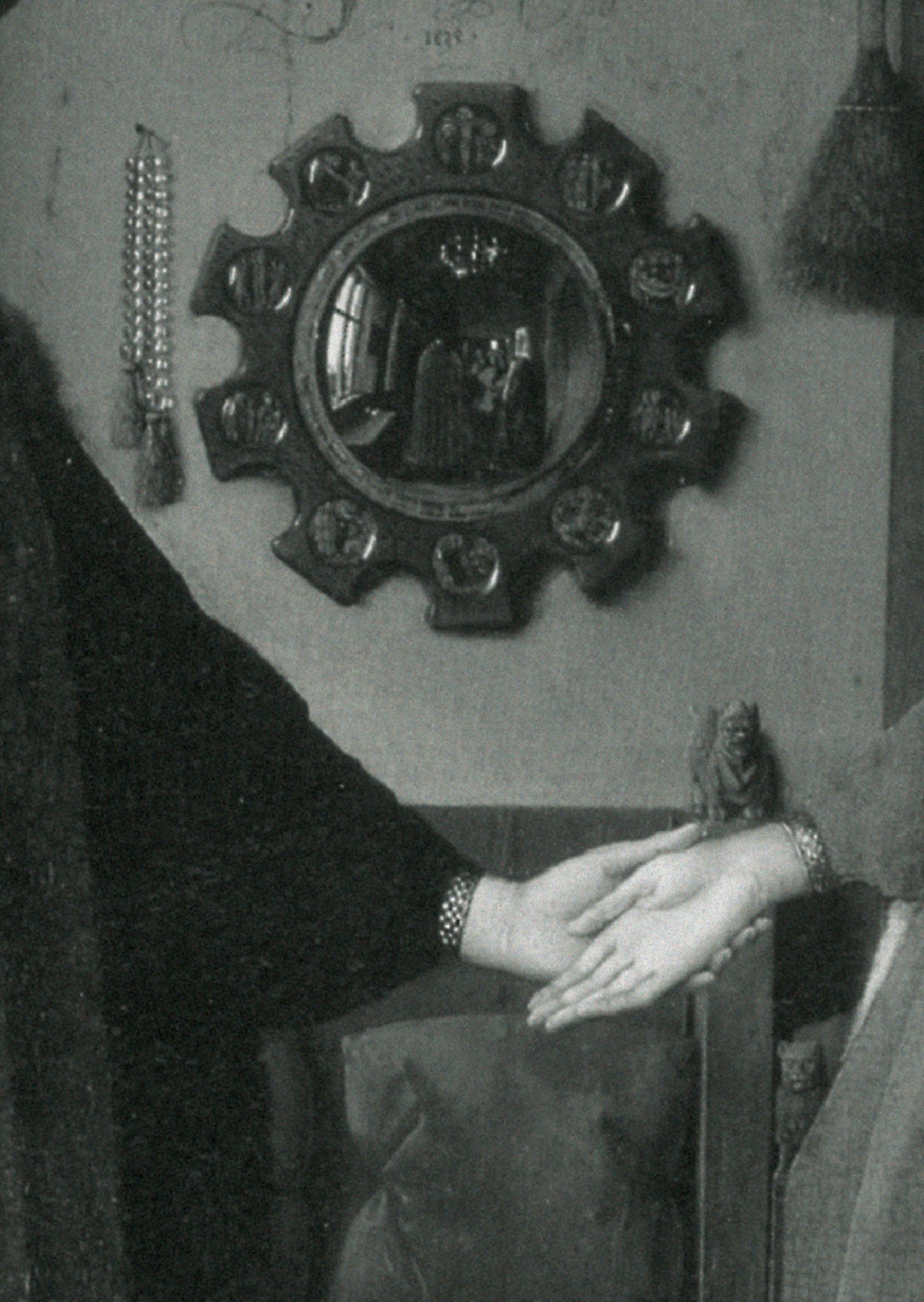
Yet the mirror is our unavoidable initiation. So it helps to look at the history of mirrors. It was Sartre who described hell as never being able to see yourself. And the earliest mirrors were obsidian, made of smooth volcanic rock. Then, in China, they polished copper and bronze. In Athens, Socrates urged young people to look at themselves in mirrors so that, if they were beautiful, they could work to become worthy of their beauty. Glass mirrors first appeared in the first century. All the while, sages and monks were offering silence as the great mirror, to the self and beyond. And Cicero came along and said, “A friend is a second self.” Look there. But things took a turn in the 1930s when a German physicist developed the one-way mirror and we had new ways to hide. And despite the noise of progress, the arts keep offering mirrors that can help us live. Now, we are bewitched and dazzled by virtual reality and AI. These mirrors can hypnotize us for years. Yet, when the carnival is closed and the stars throb, we sit across from each other and take honesty—the most enduring glass of all—out of our draw of keepsakes.
For we can’t know others until we truly know ourselves. This, then, is the developmental terrain where true self-knowledge can lead us—through ourselves, beyond ourselves—into the realm that lives and breathes below our personalities in the waters of Spirit.
Questions to Walk With
In your journal, describe a time when you felt a relationship open up beyond the initial phase of mirroring each other. What opened you beyond this beginning? What did you find there?
In conversation with a friend or loved one, tell the story of a time when you found yourself stuck in a mirror. What kind of mirror was it? What kept you stuck there? How did you move beyond this?
This chapter is from my book in progress, The Path of True Experience.